Taxir is a boutique studio specialized if offering tech solutions for art and culture organizations in MENA.
MISSION
Taxir exists because the region’s cultural infrastructure deserves better than templates. Across the MENA region, archives, festivals, magazines, galleries and independent labels are doing some of the most vital cultural work of our time, often with tools built for other markets, other languages and other assumptions.
Off-the-shelf platforms flatten Arabic typography, treat right-to-left as an afterthought, and force institutions with singular identities into interchangeable layouts. We started Taxir to close that gap: a boutique tech studio that builds digital solutions for art and culture organizations, designed from inside the region rather than adapted to it.
We work at the intersection of craft and code. A cultural organization’s website, archive or digital platform is not a utility; it is an extension of its curatorial voice. So we begin every project the way an editor or a designer would – with the material itself, its histories and its publics – and only then decide what the technology should be. Sometimes that means a full design language built from an archive’s own visual vernacular. Sometimes it means untangling a decade of scattered files into a structured, searchable collection. Sometimes it is simply making a bilingual site where the Arabic feels like the original, not the translation.
We keep the studio deliberately small. Boutique, for us, means each project gets senior attention from start to finish, budgets stay honest, and the tools we hand over are ones a lean cultural team can actually maintain. We favor open standards, lightweight builds and solutions that age well, because we know our partners measure their work in decades, not product cycles.
Above all, we believe technology should serve cultural memory, not extract from it. The region’s stories, sounds and images are moving online whether or not the infrastructure is ready for them. Taxir’s mission is to make sure that when they arrive, they arrive on their own terms: legible in their own languages, dressed in their own aesthetics, and owned by the communities they come from.
NON-PROFIT
Approach
Taxir’s approach to mainstreaming art-tech adoption in the Arab region is based on five pillars:
Initiating Projects. We take a ‘show, don’t tell’ approach to introducing different aspects of emerging technology to the Arab audience, by initiating and instigating prefigurative public good projects that provide the curious with an opportunity to learn, experiment and build. You can find below our public good projects portfolio, and you can read more about them in our whitepaper here.
Scene Building. Taxir plays a crucial role in building the Arab art-tech sphere, by connecting projects, builders and entrepreneurs together, and fostering several collaborations and partnerships.
Research. Taxir carries out research to identify art-tech adoption barriers in the Arab region, and to develop decentralized governance models.
Education. Taxir has produced several online Arabic courses tackling specific aspects and use cases of art-tech, and focusing on occupational skilling. Browse Taxir’s catalogue of educational content on our Youtube channel.
Discourse Shaping. Taxir organizes and participates in events on art technology to promote a balanced discourse around art tech, advocating for rational and well informed adoption. Learn more about our participation here.
FOR-PROFIT
Taxir prides itself on offering a focused set of services, each shaped by years of working alongside cultural organizations in the region. We don’t try to be everything to everyone; we do a few things with depth, and we do them in a way that respects the languages, aesthetics and realities of the MENA cultural landscape. Everything below can be commissioned on its own or combined into a larger engagement, and every project begins with a conversation about what the work actually needs rather than what we’d like to sell.
Websites and Web App Development
The website is still the front door of any cultural institution, and we build ones worth walking through. From editorial platforms and digital archives to festival sites and membership portals, we design and develop web experiences that carry an organization’s identity into the browser rather than burying it under a template. Bilingual and right-to-left support is native to our process, not a patch applied at the end.
We build with longevity in mind: lightweight, standards-based, maintainable by small teams, and structured so content outlives whatever framework happens to be fashionable this year. Whether it’s a static site a two-person magazine can run on its own or a full web application with search, streaming and structured collections, the result is something you own and understand.
Virtual Exhibitions and Metaverse Experiences
Some cultural work needs more than a page; it needs a space. We design virtual exhibitions, 3D galleries and immersive experiences that let audiences wander through a collection, a retrospective or a commissioned digital artwork from anywhere in the world. For institutions whose physical spaces are inaccessible, dispersed or lost entirely, these environments are not a gimmick; they are continuity.
We approach spatial and immersive work with the same curatorial seriousness as a physical hang: sightlines, sequence, atmosphere and story come first, and the technology is chosen to serve them, whether that’s a browser-based 3D gallery that runs on any laptop or a fuller metaverse experience for audiences ready to go deeper.
Software Development and Deployment
Behind every archive, festival and publication there’s an operational reality: collections to catalogue, submissions to manage, rights to track, audiences to understand. We build custom software that fits how cultural organizations actually work, from collection management systems and digitization pipelines to booking tools and internal dashboards, and we see it through deployment, hosting and handover.
Our bias is toward open-source foundations and honest architecture: systems that a lean team can operate, that don’t lock you into a vendor, and that can grow as the institution does. We document what we build and train the people who will live with it.
Tech Training, Consultations and Capacity Building
The most sustainable technology is the kind your own team can carry. We offer training programs, one-off consultations and longer-term capacity building for cultural organizations that want to grow their digital confidence, whether that means teaching an archival team to manage its own digitization workflow, helping an editorial staff master its publishing tools, or advising leadership on digital strategy, budgeting and procurement.
We also work as a thinking partner in earlier stages: scoping projects, evaluating proposals from other vendors, and helping institutions ask the right questions before committing to expensive answers. The goal is always the same: organizations that use technology on their own terms, not ones that depend on us indefinitely.

TEAM

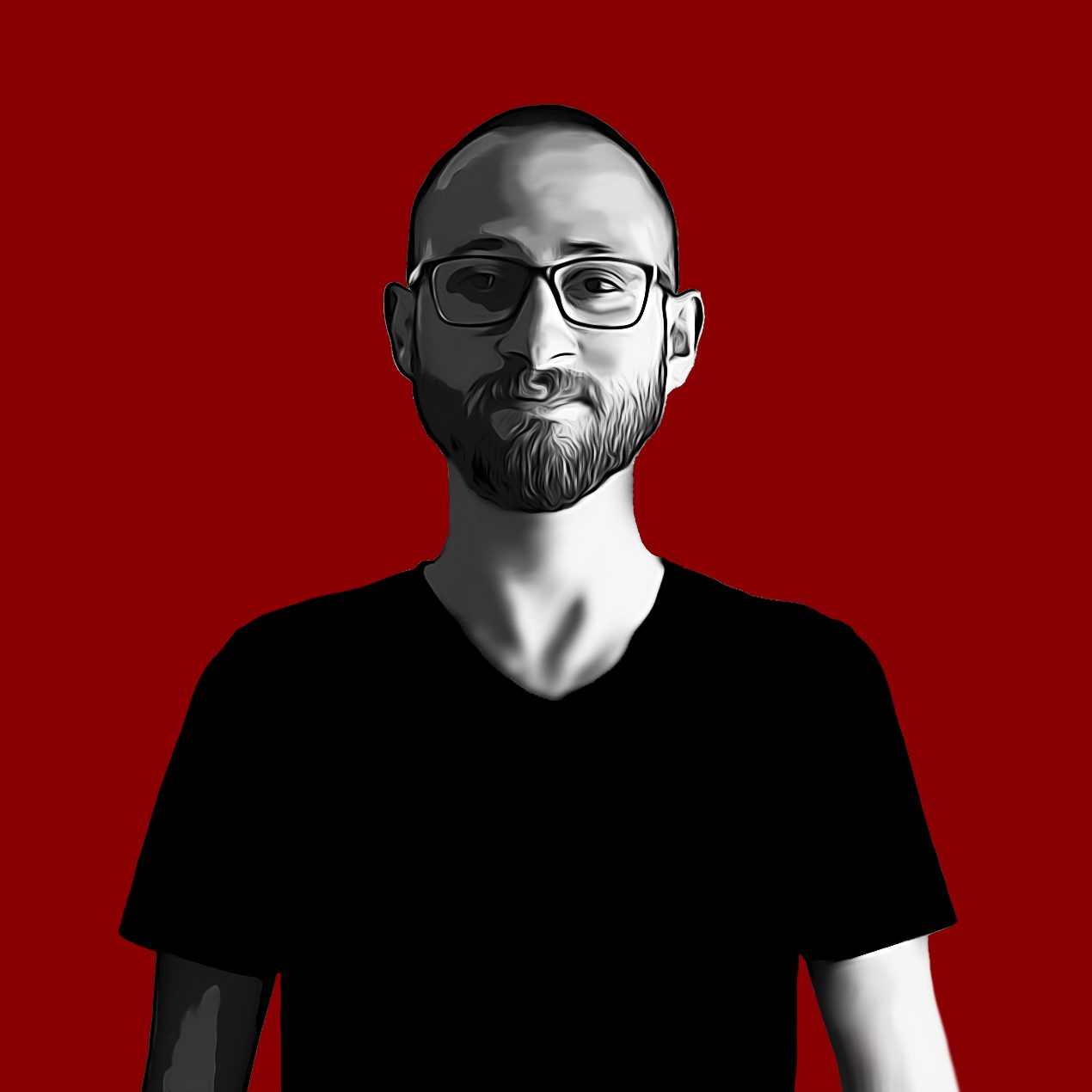
Ali Karake

Peter Houaiss

Adele Jarrar
An independent curatorial and cultural worker and a researcher. Adele has an MA in arts and cultural management and a BA in architecture. She has a wide-ranging experience in curating, writing, and production. Recently collaborated with The Question of Funding collective at Documenta, and has been a resident artist at Cittadellarte – Fondazione Pistoletto in Biella. Adele is interested in self-organization, artist-run initiatives, and digitality.

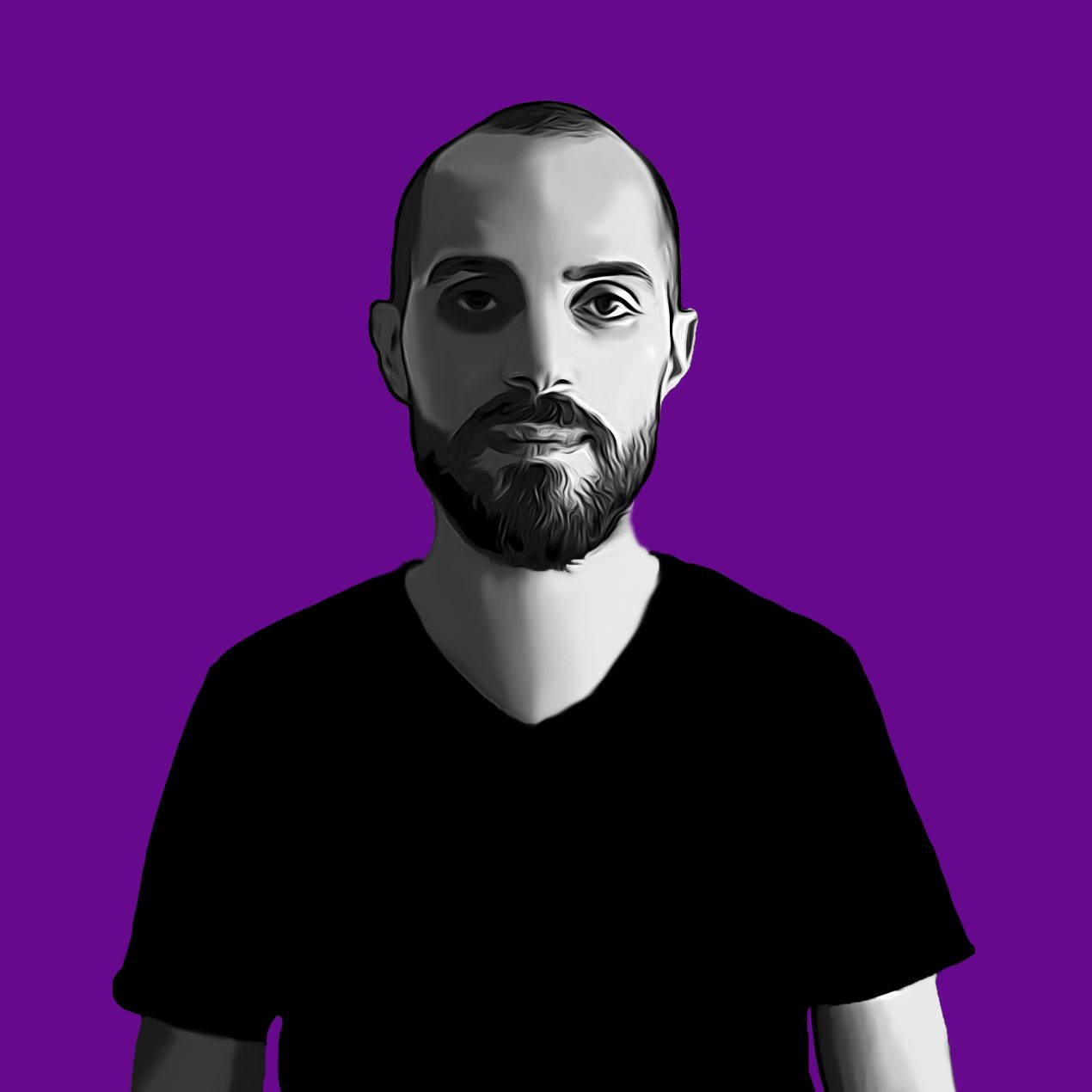
Nour Ezzeddine

Moustafa Sbeity
Taxir’s own human crunching machine, Moustafa spends his time chasing down Web 3 rabbit holes, with emphasis on GameFi, the Metaverse, and multi media applications of blockchain technology.

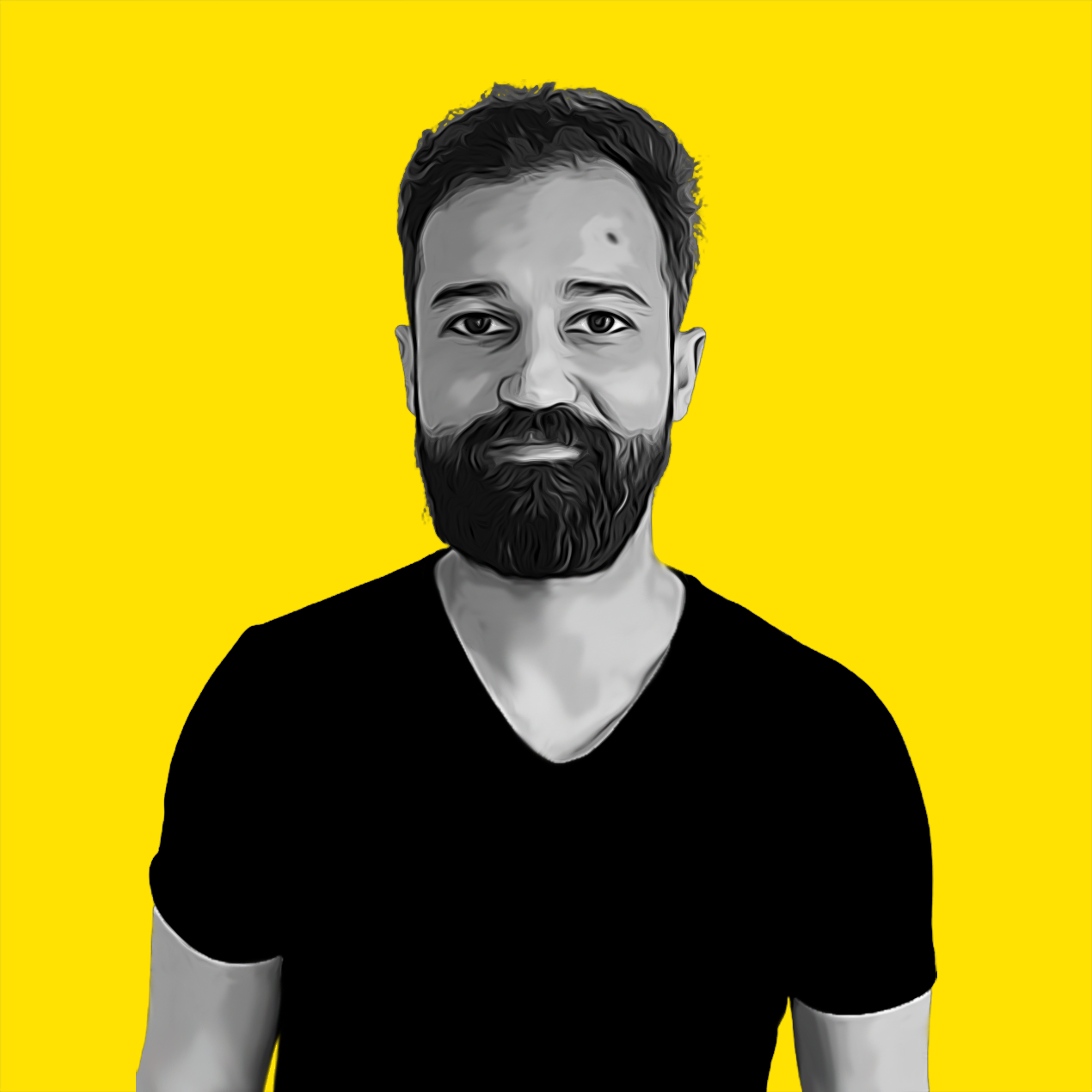
Nadim El Roz
A media virtuoso with filming and video production expertise spanning the Lebanese video industry, working with news channels and music video directors alike, Nadim is leading Taxir’s video production and coverage from behind the lense.

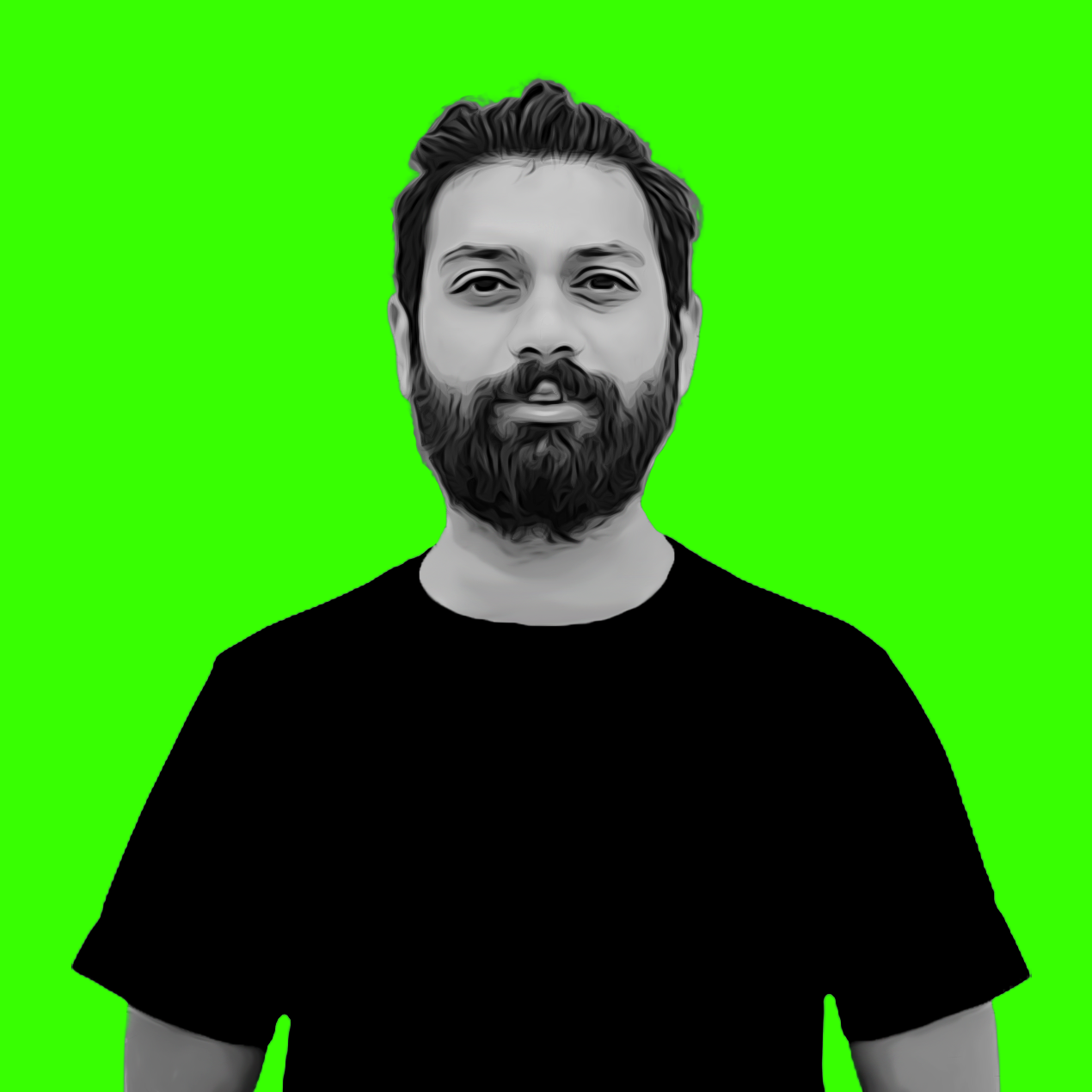
Ammar M. Hasan
The former EIC of Ma3azef, Ammar has co-curated art exhibitions, symposiums, Boiler Room collaborations, and did some war-reporting in Syria.

Yasser Al Maamoun
An architect, researcher and graphic designer, Yasser now teaches at the BTU Cottbus-Senftenberg University, and works on multiple NFT and GameFi projects.